

Advancements in Remote Control Regulating Valves: Key Applications
Technological development
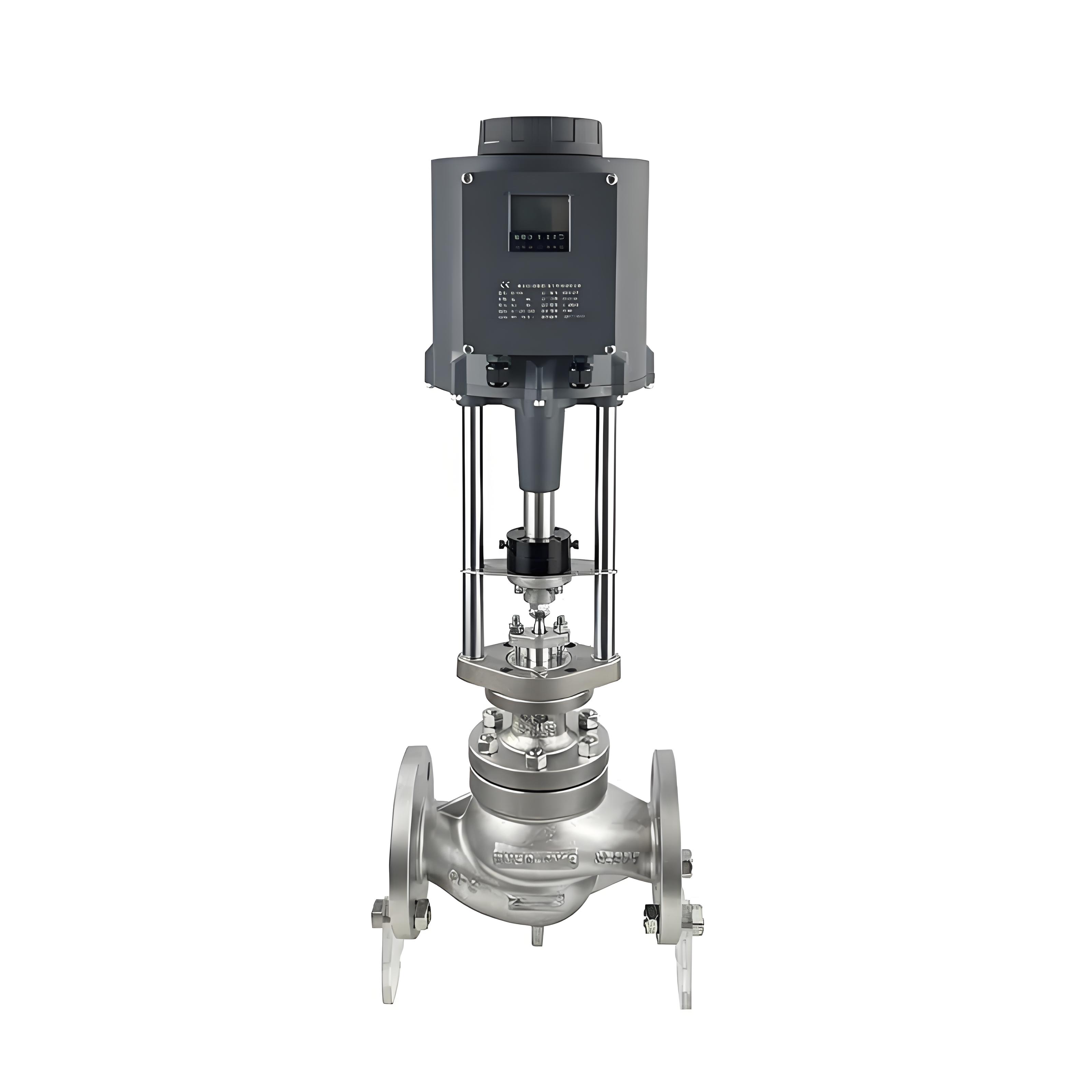
- Intelligence: With the continuous development of technologies such as the Internet of Things, big data, and artificial intelligence, remote-controlled control valves are gradually moving towards intelligence. Through built-in sensors and intelligent algorithms, the control valve can monitor its own status and pipeline parameters in real time, and automatically adjust the valve opening according to the preset control strategy to achieve precise control.
- Networking: With the help of Internet technology, remote-controlled control valves can achieve remote monitoring and operation. Users can view the operating status of the control valve anytime and anywhere through mobile phone APP or computer terminal, and perform remote control, which greatly improves the convenience and flexibility of control.
- Integration: Integrate the control valve with other equipment or systems to form a complete automatic control system. For example, integrate the control valve with sensors, actuators, controllers, etc. to realize automatic detection, control and adjustment of fluid parameters, and improve the overall performance and stability of the system.
- Low power consumption: Use advanced energy-saving technologies and materials to reduce the energy consumption of the control valve during operation. For example, optimize the design of the electric actuator, use efficient motors and transmission devices to reduce energy loss; or use renewable energy such as solar energy and wind energy to power the control valve to achieve green and environmentally friendly operation.
Practical application cases
- Industrial automation production: In the petrochemical, metallurgical, electric power and other industries, remote control regulating valves are widely used in various fluid control systems. For example, in the process of oil refining, the flow, pressure and temperature of crude oil can be accurately controlled by remote control regulating valves to ensure the safety and efficiency of the refining process. In chemical production, regulating valves can automatically adjust the feed amount and reaction conditions of raw materials according to different chemical reaction requirements to improve product quality and production efficiency.
- Smart home: Remote control regulating valves can be used to control water, gas, heating and other equipment in the home. For example, by installing smart water valves, users can remotely control the water use in their homes to achieve water saving goals; they can also remotely control the heating regulating valve to automatically adjust the heating flow according to the indoor temperature, improve living comfort and save energy.
- Urban water supply system: In the urban water supply system, remote control regulating valves can be used to control the water pumping volume of water source wells, the pressure and flow of water supply pipes, etc. By real-time monitoring of the operating status of the water supply system, the remote control regulating valve can automatically adjust the valve opening according to the changes in water consumption to ensure the stability and reliability of water supply while avoiding the waste of water resources.
- Sewage treatment: In sewage treatment plants, remote control regulating valves can be used to control the flow of sewage, the operating status of treatment equipment, etc. For example, in sewage lifting pump stations, the lifting flow of sewage can be controlled by remote control regulating valves to ensure the normal operation of sewage treatment equipment; in biological reactors, regulating valves can automatically adjust the aeration volume and stirring intensity according to the water quality and treatment requirements of sewage to improve the sewage treatment effect.